Patient Safety
Patient safety means preventing avoidable harm and reducing risks associated with healthcare.
It is fundamental to quality care and depends on well-designed systems, skilled staff, safe procedures and clear communication with patients and families.
WHO estimates that around 1 in 10 patients experience harm during healthcare, and that more than half of this harm is preventable. Common risks include medication and diagnostic errors, healthcare-associated infections, unsafe surgery and blood transfusion, and incorrect patient identification. Improving safety requires services to identify risks, learn from incidents, and address the underlying causes of harm.
A Global Health Priority
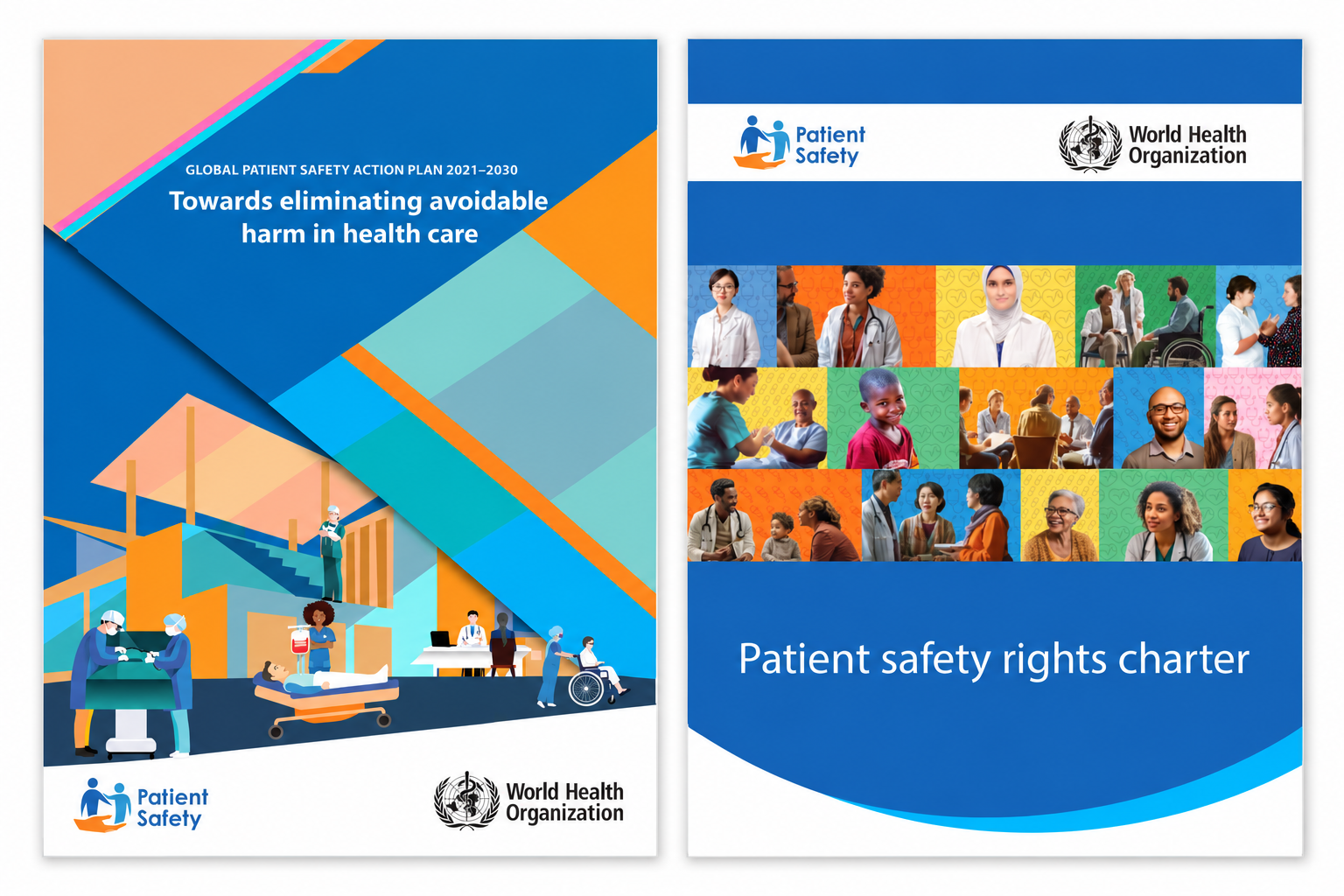
The WHO Global Patient Safety Action Plan 2021–2030, adopted in 2021, provides a framework for countries to reduce avoidable harm through national policies and improvements in everyday healthcare. Its goal is safer, more respectful care for every patient, across all healthcare settings.
WHO’s Patient Safety Rights Charter, published in 2024, highlights rights to safe and appropriate care, dignity, clear information, access to medical records and participation in decisions. Healthcare services should support patients and families to raise concerns, be heard, and seek fair resolution.
Patient Safety and Quality of Care in Europe
The Council Recommendation on patient safety (2009/C 151/01) encourages national safety policies, patient involvement, staff training, infection prevention, and reporting systems that help services learn from incidents. ECDC supports this work through surveillance and resources on healthcare-associated infections.
The EU Substances of Human Origin Regulation (EU) 2024/1938 strengthens quality and safety standards for blood, tissues and cells, including protection for donors and recipients and measures to improve supply resilience. Most of its provisions will apply from 7 August 2027.
Patient Safety in Haemoglobin Disorders
For people living with thalassaemia, sickle cell disease and other rare anaemias, patient safety is central to ongoing care. For those receiving transfusions, priorities include reliable supplies of safe blood, correct patient identification, appropriate blood matching, and prompt recognition and reporting of transfusion reactions.
Safe medication use, monitoring for treatment-related complications, and coordinated specialist care are also essential. Clear information and meaningful patient involvement help strengthen safety throughout the patient’s care.
Useful Links:
- WHO: Patient Safety
- WHO Global Patient Safety Action Plan 2021–2030
- WHO Patient Safety Rights Charter
- World Patient Safety Day
- EU Council Recommendation on Patient Safety
- EU Rules on Substances of Human Origin
- ECDC: Healthcare-associated Infections
- TIF Guidelines for Transfusion-dependent β-Thalassaemia — 2025