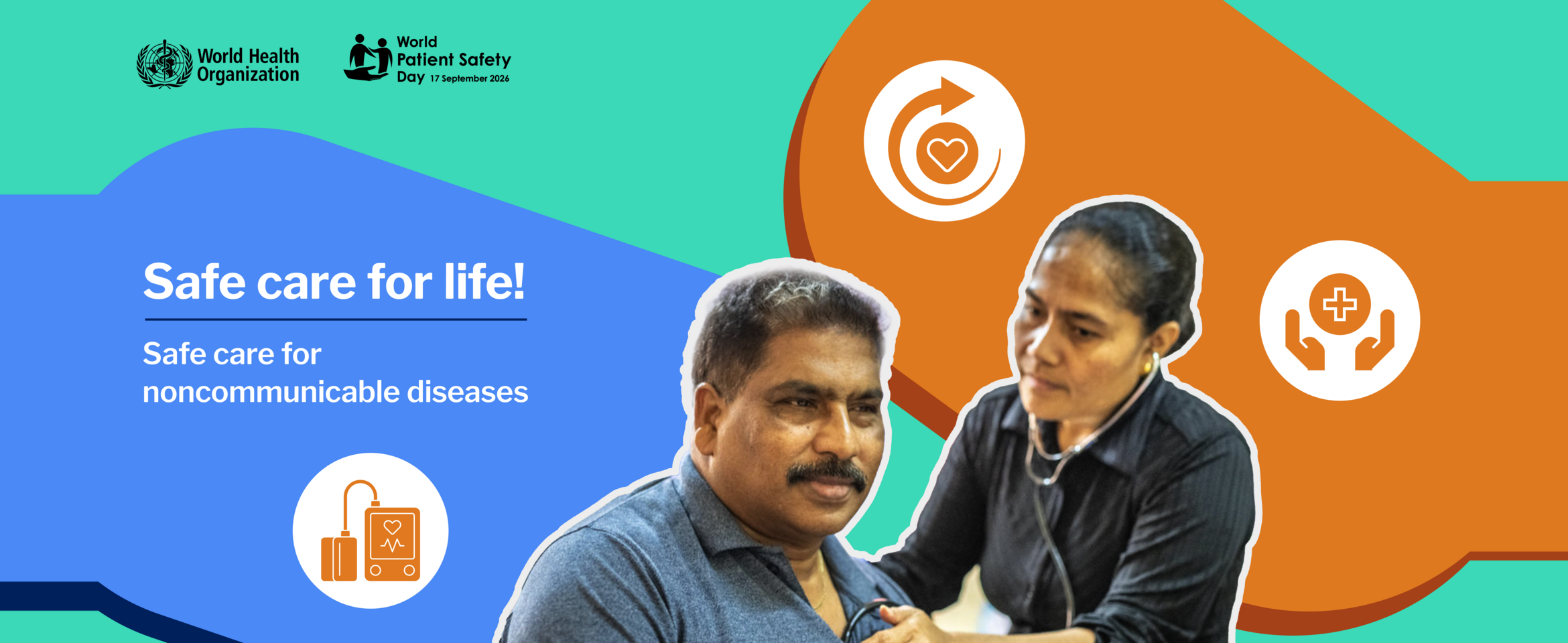
On 17 September 2026, the global health community will mark World Patient Safety Day under the theme “Safe care for noncommunicable diseases” and the slogan “Safe care for life!”—calling for coordinated action to protect people from avoidable harm at every stage of lifelong care.
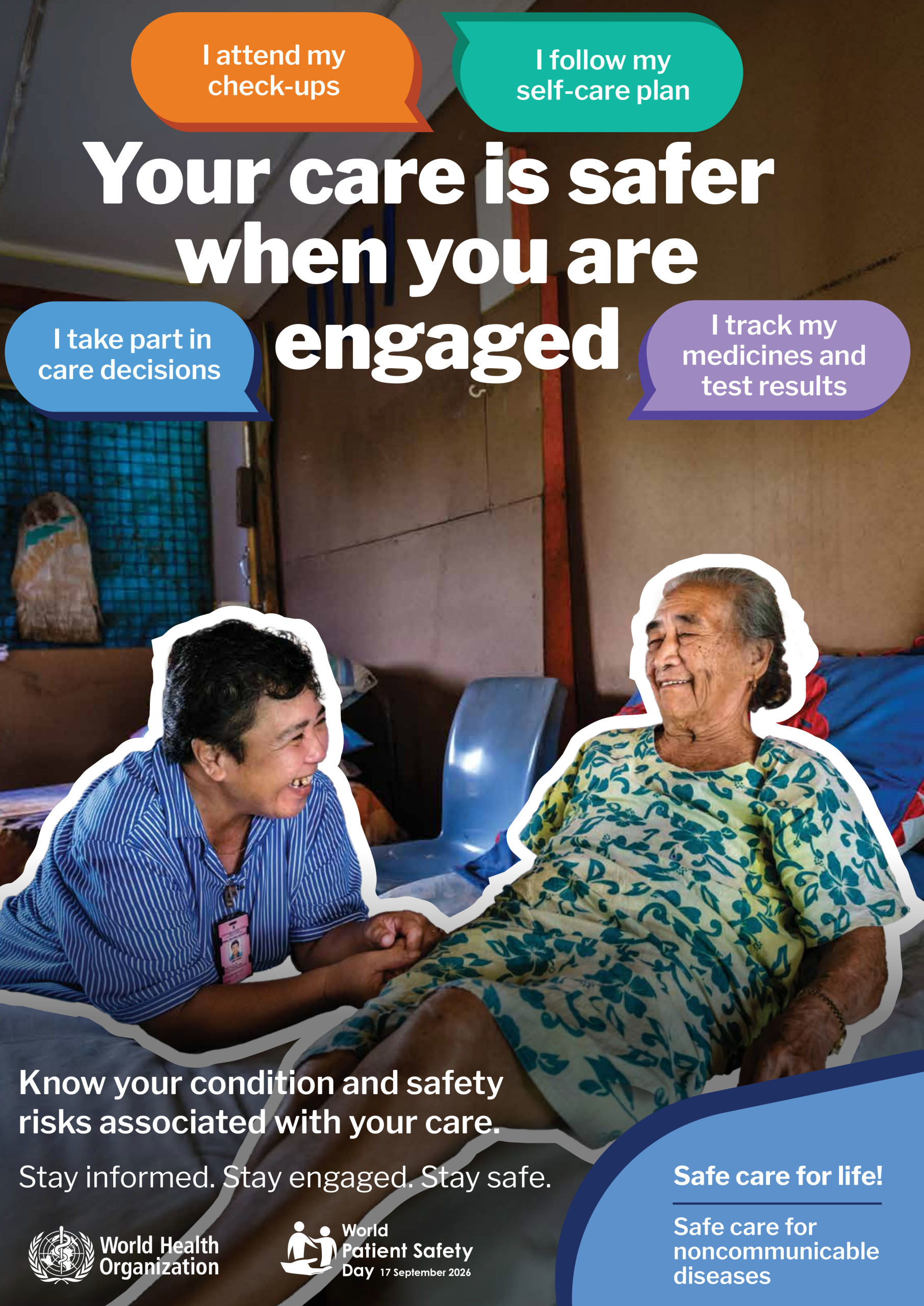 Every person has the right to receive care that is safe, effective, respectful and centred on their needs. Yet preventable harm remains one of the most serious and persistent challenges facing health systems worldwide.
This year’s World Health Organization campaign focuses on people living with noncommunicable diseases (NCDs), including cardiovascular diseases, cancers, diabetes and chronic respiratory diseases. These long-term conditions often require repeated consultations, investigations, medicines, procedures and transitions between professionals, facilities, homes and communities. Each interaction is an opportunity to improve health, but it can also introduce risk when care is fragmented, delayed, poorly coordinated or insufficiently responsive to the person receiving it.
WHO is therefore calling for safe care across the entire life course: from prevention and early detection to diagnosis, treatment, rehabilitation, long-term management and palliative care. People living with NCDs must be recognised not merely as recipients of services, but as informed and equal partners in making care safer.
Why Patient Safety Demands Global Attention
Noncommunicable diseases caused at least 43 million deaths in 2021, approximately three-quarters of all non-pandemic-related deaths worldwide. Around 18 million people died from an NCD before the age of 70, and 82% of these premature deaths occurred in low- and middle-income countries.
Risks can arise from medication errors, delayed or incorrect diagnoses, health care-associated infections, unsafe procedures, failures in communication, incomplete records, poorly managed referrals and transitions, patient misidentification, inadequate follow-up, and unsafe transfusion practices.
Patient Safety Worldwide: The Numbers
The scale of avoidable harm makes patient safety a public health, human rights, and health-system priority:
- Around 1 in every 10 patients is harmed while receiving health care, and unsafe care is associated with more than 3 million deaths every year.
- More than half of patient harm is considered preventable—equivalent to preventable harm affecting approximately 1 in every 20 patients. Half of this avoidable harm is related to medicines.
- In primary and ambulatory care, some estimates suggest that as many as 4 in 10 patients experience harm, while up to 80% of that harm may be avoidable.
- Medication-related harm affects approximately 1 in every 30 patients, with more than one quarter of these cases considered severe or life-threatening.
- Patient harm may reduce global economic growth by approximately 0.7% annually, while its indirect worldwide cost runs into trillions of US dollars.
Why This Matters to the Thalassaemia Community
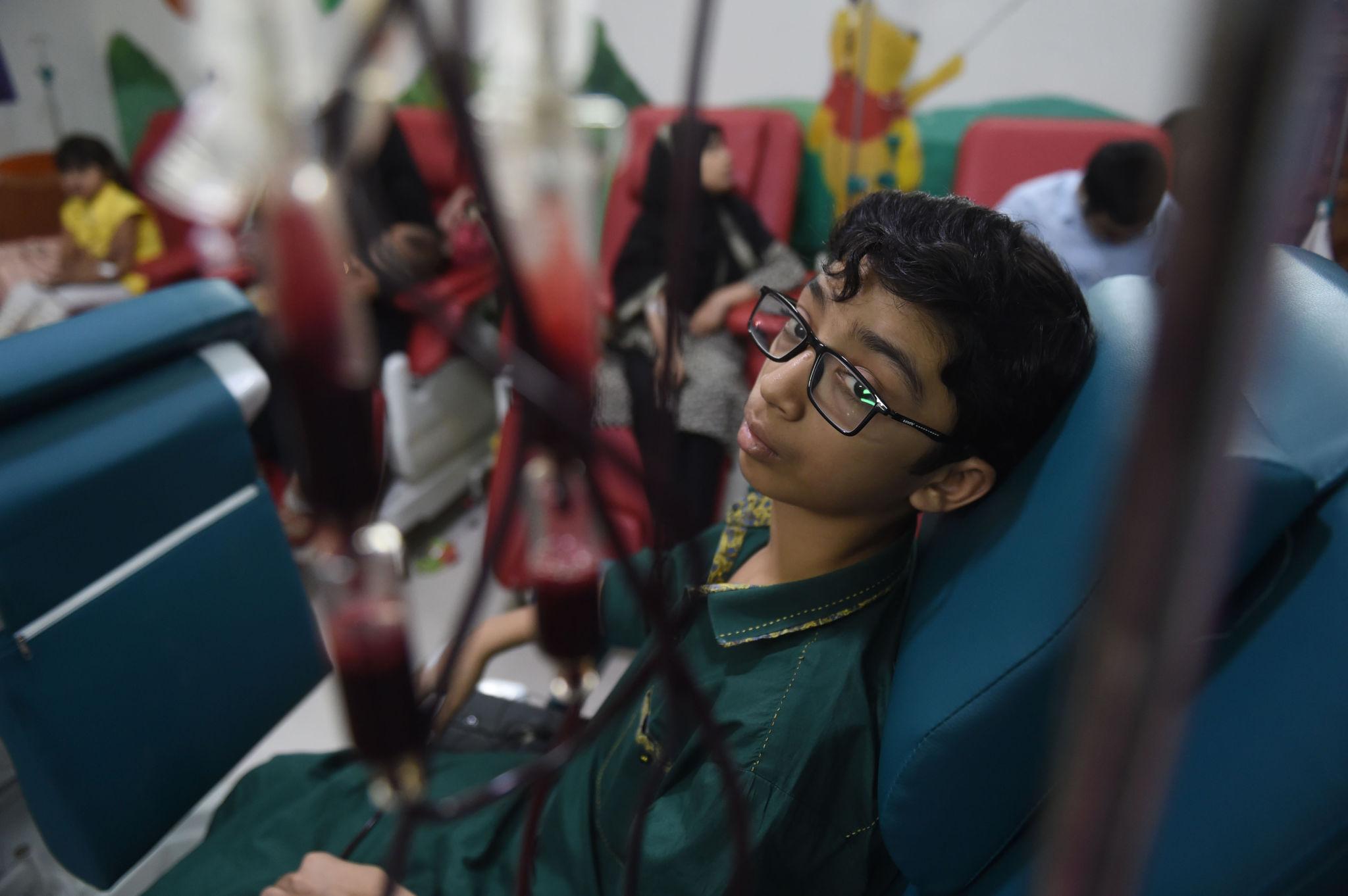 For people living with thalassaemia and other haemoglobin disorders, the principle of “safe care for life” is immediate and deeply personal.
Lifelong care may involve regular blood transfusions, iron chelation therapy, medication management, monitoring of multiple organs, treatment of complications, specialist consultations and transitions from paediatric to adult services. Safety must be embedded in every one of these encounters.
This means ensuring:
- the right patient receives the right blood component, correctly matched and administered at the right time;
- blood and blood products are safe, sufficient, quality-assured and equitably accessible;
- transfusion reactions and other adverse events are recognised, reported and investigated;
- medicines are prescribed, dispensed, taken and monitored safely;
- essential tests and follow-up appointments are not delayed or missed;
- transitions between paediatric, adult, hospital, primary and community care are carefully coordinated;
- patients and families have accessible information and a meaningful voice in decisions; and
- health professionals work within adequately staffed, properly resourced and learning-oriented systems.
Important gaps remain. WHO’s latest global blood-safety data indicate that transfusion committees are present in only 40% of hospitals performing transfusions. Systems for reporting adverse transfusion events are present in 68%, while only 88 of 168 responding countries—52%—reported having a haemovigilance system.
From Awareness to Action
World Patient Safety Day 2026 calls on every part of the health community to act.
🔸 People living with long-term conditions and their caregivers: Learn about your condition, treatments and possible safety risks. Keep an accurate record of medicines, test results and appointments. Ask questions, confirm that you understand the information provided, follow up on results and speak up whenever something does not feel right.
🔸 Health professionals: Treat patients and families as expert partners. Support prevention and early detection, safer diagnosis, medication safety, effective communication and coordinated follow-up. Report incidents and use them as opportunities for learning and improvement.
🔸 Policy-makers and health leaders: Embed safety in every NCD policy, programme and service. Strengthen integrated primary health care, sustainable financing, accountability and meaningful patient participation.
🔸 Patient organisations and civil society: Promote trustworthy health information, amplify lived experience, challenge stigma and discrimination, advocate for equitable access, and bring patients into the design, delivery and evaluation of care.
TIF invites its member associations, partners, health professionals, policymakers and supporters around the world to help transform awareness into action:
🔸 Share the official World Patient Safety Day 2026 campaign page through your websites, newsletters and professional networks.
🔸 Download and disseminate the official campaign materials and logo, in accordance with WHO’s terms of use.