Pharmacovigilance
Pharmacovigilance is the science and practice of identifying, assessing, understanding and preventing side effects and other medicine-related problems.
It helps protect patients, reduce avoidable harm and support the safe and effective use of medicines and covers all medicines, including vaccines, biological medicines and herbal products.
Why continuous safety monitoring matters
Medicines are evaluated before they are authorised, but clinical trials cannot identify every possible side effect. Some reactions are rare, develop after prolonged treatment or become apparent when a medicine is used alongside other treatments.
Safety monitoring therefore continues throughout a medicine’s use. Information gathered from everyday clinical practice helps regulators reassess whether its benefits continue to outweigh its risks and whether additional protective measures are needed.
How the EU pharmacovigilance system works
Medicine safety in the European Union is monitored through cooperation between national medicines authorities, the European Medicines Agency (EMA), the European Commission and pharmaceutical companies. Patients, carers and healthcare professionals contribute essential information by reporting suspected side effects.
EMA’s Pharmacovigilance Risk Assessment Committee (PRAC) assesses safety concerns involving human medicines and recommends measures to manage risks. Its responsibilities include evaluating safety signals and post-authorisation safety studies, and supporting the communication of safety information.
EudraVigilance, the European system for collecting and analysing suspected adverse reaction reports, supports this work. Reports are submitted by medicines authorities and pharmaceutical companies and include relevant information from outside Europe.
A report records a suspected reaction: it does not, by itself, establish that a medicine caused the event. Public reporting figures also cannot determine how likely an individual is to experience a side effect. Regulators assess reports alongside other available evidence before concluding.
Reporting suspected side effects
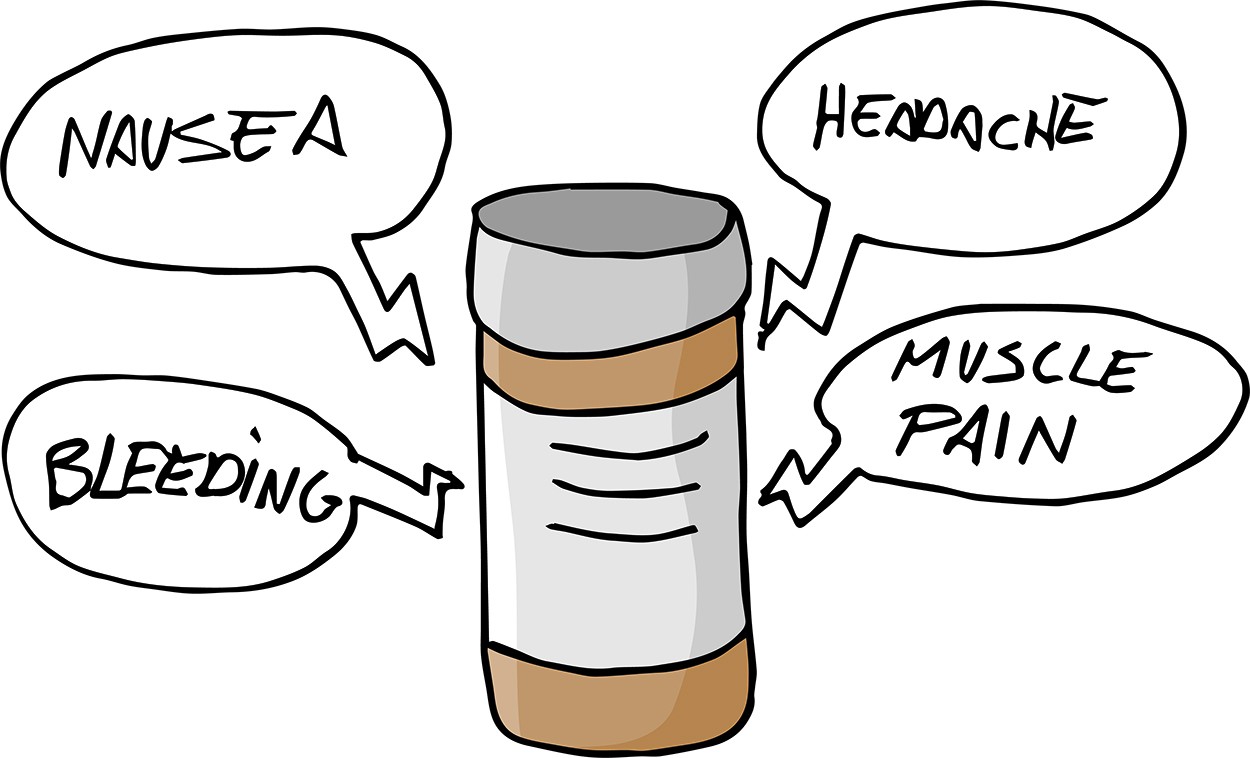
Patients and carers can report suspected side effects directly to their national medicines authority or ask a healthcare professional to help. You do not need to be certain that a medicine caused the reaction before reporting it. Reporting instructions are available in the medicine’s package leaflet and through national reporting systems.
When submitting a report, provide as much relevant information as possible, including:
- The symptoms experienced, when they began and what happened afterwards.
- The medicine’s name, dose, and treatment duration.
- The batch number, where available.
- Other medicines taken, including non-prescription medicines and herbal products.
- Relevant information about the person affected, including age and other health conditions.
Reports help medicines safety experts identify concerns and decide whether new warnings, changes to treatment guidance or other protective action are necessary.
Useful links:
For further information on medicine safety and reporting suspected side effects, consult these official resources:
- Reporting a suspected side effect — Guidance on reporting, with links to national medicines authorities in the EU and European Economic Area.
- European Medicines Agency: Pharmacovigilance overview — Information on how medicine safety is monitored and assessed in the EU.
- World Health Organization: Pharmacovigilance — An introduction to pharmacovigilance and international approaches to medicine safety monitoring.
- Understanding suspected side-effect reports — Guidance on interpreting information published in the European database of suspected adverse drug reaction reports, including its limitations.