RARE DISEASE DAY 2026 | More Than You Can Imagine
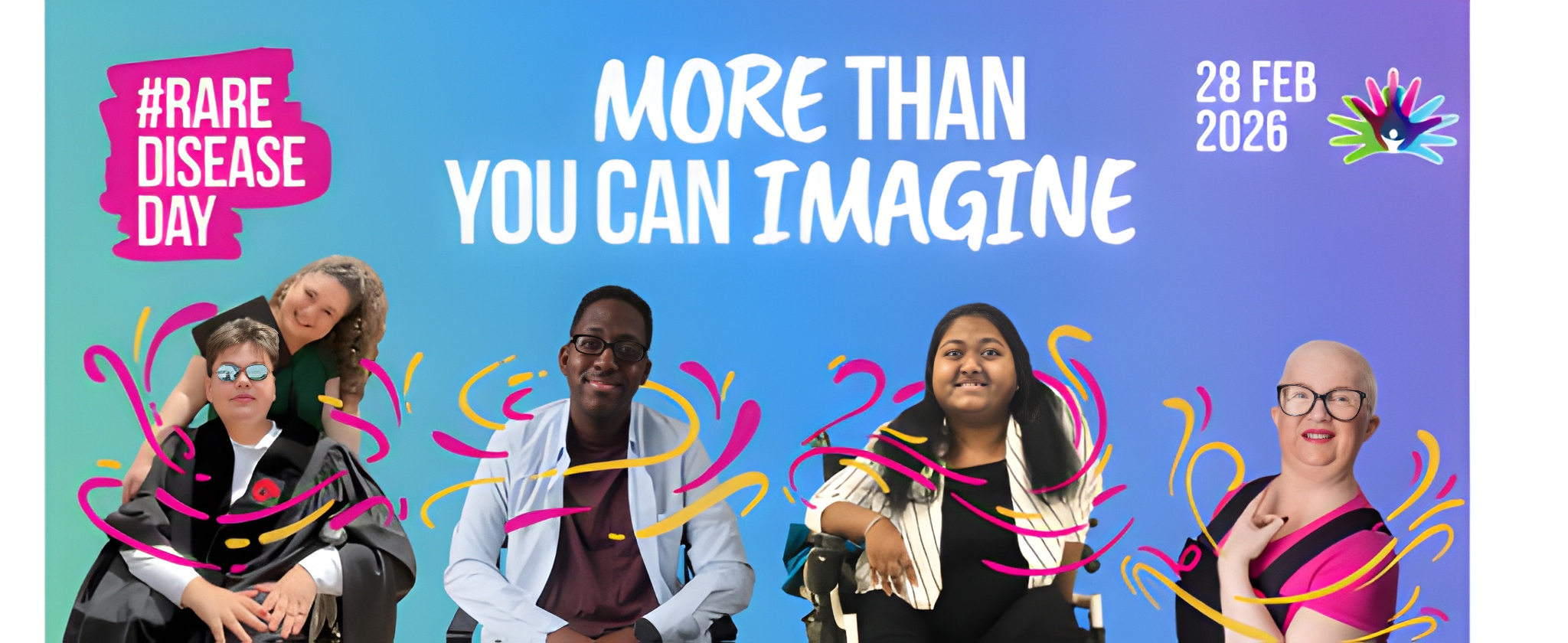
On 28 February 2026, the global community once again comes together to mark Rare Disease Day — a worldwide movement dedicated to raising awareness, advancing equity, and strengthening the voice of the more than 300 million people living with rare diseases across the globe.
This year’s theme, “More Than You Can Imagine,” reminds us that rare diseases are far more common, complex, and impactful than many realise. While each individual condition may affect a small number of people, collectively rare diseases represent one of the most significant yet under-recognised public health challenges worldwide.
 At the Thalassaemia International Federation (TIF), we stand in solidarity with every individual, family, healthcare professional, and patient organisation working to ensure that rare diseases are seen, understood, and prioritised.
In parallel, TIF actively contributes to advancing rare disease research and policy at both European and global levels. Through its role in the European Rare Diseases Research Alliance (ERDERA), where it leads the National Mirror Group for Cyprus, and through its engagement in the Rare Anaemias International Network (RAIN), TIF supports collaboration, knowledge exchange, and progress in the field of rare diseases and rare anaemias.
The Global Reality of Rare Diseases
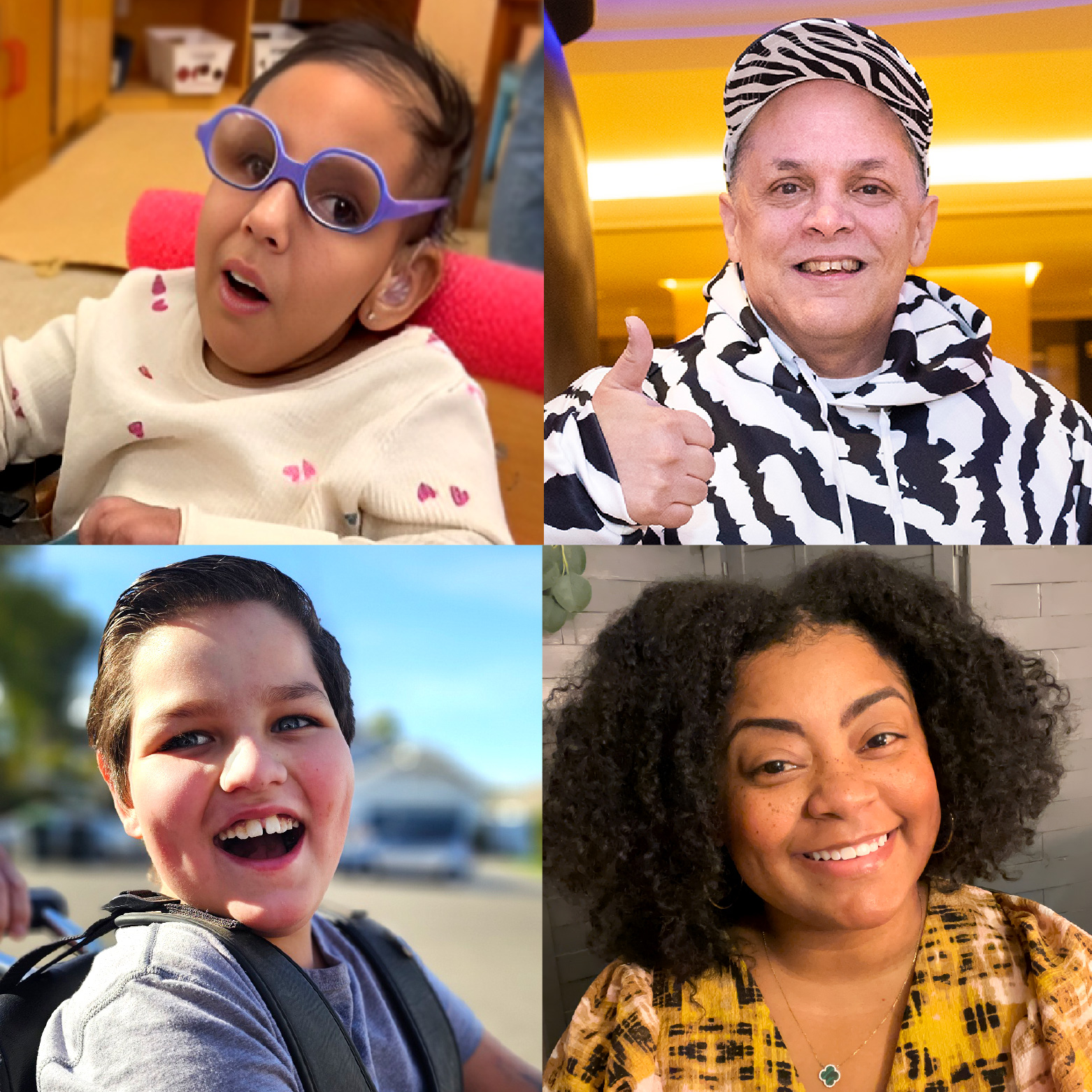 There are currently over 6,000 identified rare diseases, and new conditions continue to be described each year. Collectively, rare diseases affect approximately 1 in 20 people worldwide — a figure that translates into more than 300 million individuals globally.
Yet despite these numbers, the rare disease community continues to face profound challenges. Many patients experience years of uncertainty before receiving an accurate diagnosis. Limited awareness among healthcare systems often leads to delayed referrals, fragmented care, and unequal access to specialised services. In many parts of the world, treatment options remain scarce or inaccessible.
Beyond the medical realities, rare diseases affect education, employment opportunities, mental health, family stability, and social inclusion. For many, the journey is not only clinical, but it is also deeply personal.
Thalassaemia and Rare Diseases: The Importance of Early Diagnosis
Thalassaemia and other haemoglobin disorders are recognised as rare diseases in many regions of the world. Significant progress has been made over recent decades, transforming thalassaemia from a fatal childhood condition into a manageable chronic disease when appropriate care is accessible.
However, disparities remain. 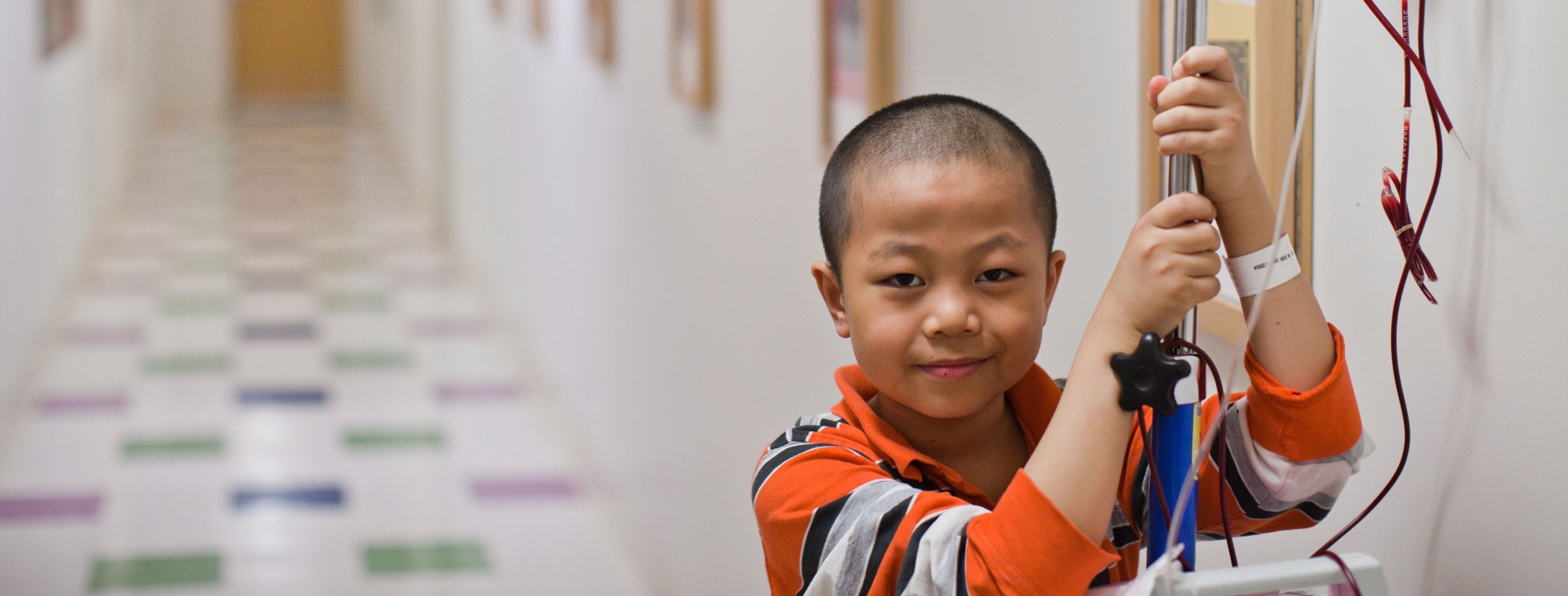
Early and accurate diagnosis is one of the most decisive factors influencing long-term outcomes. Timely identification allows for appropriate monitoring, safe transfusion management, iron chelation therapy, and coordinated multidisciplinary care. Conversely, delayed diagnosis can lead to preventable complications affecting the heart, liver, endocrine system, and overall quality of life.
Rare Disease Day offers an important opportunity to highlight the life-saving value of early detection, newborn screening, genetic counselling, and specialised referral networks.
Turning Visibility into Action
This Rare Disease Day, we invite our member associations, partners, healthcare professionals, policymakers, and supporters worldwide to engage actively with the campaign.
🔸Share the message.
🔸Highlight the importance of early diagnosis.
🔸Advocate for stronger national rare disease strategies.
🔸Amplify patient stories.
Small actions contribute to global momentum!